
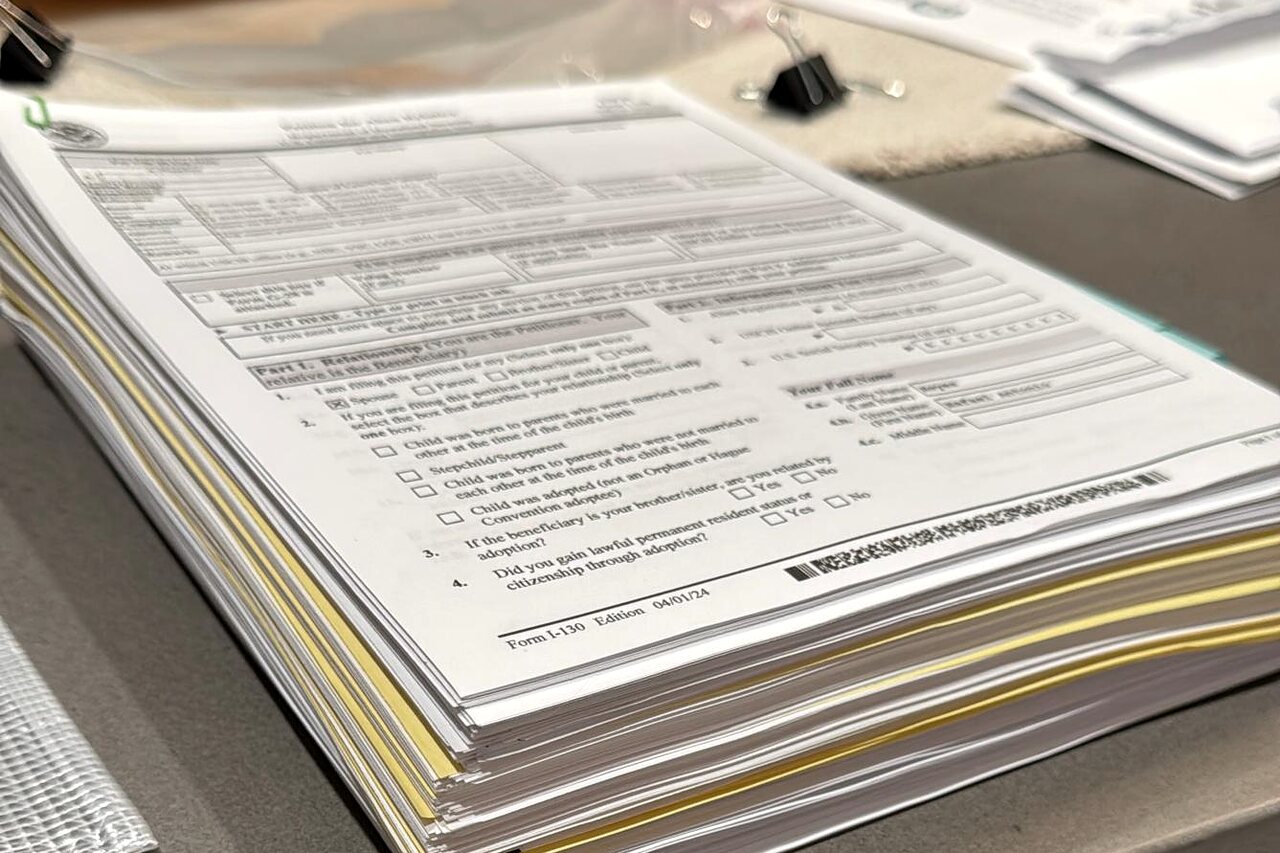
U.S. visa interviews: why applying in your country of residence matters
Booking the interview at whichever consulate has the shortest queue looks like the efficient choice. In practice it is one of the riskiest.
Read ArticleImmigration Updates
The State Department’s monthly bulletin decides who moves forward and who waits. Understanding how it works is worth more than memorising one month’s dates.

Few documents affect as many families as the Visa Bulletin, published each month by the U.S. Department of State’s Bureau of Consular Affairs. It determines, month by month, which permanent residence cases may move forward.
This article does not reproduce any single month’s dates — they change with every publication, and they can move backwards. The purpose is different: to explain the mechanics, so you can read the current bulletin yourself, on the day it matters.
U.S. law sets a limited annual number of immigrant visas in each family and employment category. On top of that, no single country may receive more than a fraction of the annual total. When demand from one country exceeds that share, the category becomes oversubscribed and gets its own column in the bulletin, with a longer wait.
That is why two applicants with identical profiles in the same category can face completely different timelines. What separates them is chargeability — usually the country of birth.
The priority date marks your position. As a rule it is the date the underlying petition was properly filed — the family petition, the employment petition, or, where required, the labor certification.
Keep that date close. It follows the case from beginning to end and, in certain situations, can be carried over to a later petition.
Each bulletin contains two sets of charts, and confusing them is the most common mistake:
For those adjusting status inside the United States, USCIS announces each month which of the two charts applies for that period. That instruction is published on the USCIS visa availability page and must be checked monthly.
Retrogression is not an anomaly. It happens when demand in a category outpaces the State Department’s projection within the fiscal year. A category that advanced several months can retreat in the next publication.
In practice this means two things. First, when a window opens it should be used — documents ready beats documents perfect but late. Second, no immigration timeline should be treated as guaranteed.
The queue is not negotiable. Preparation is — and it is the only variable you control.
Insights
Booking the interview at whichever consulate has the shortest queue looks like the efficient choice. In practice it is one of the riskiest.
Read Article
The category you file under defines the queue you will stand in. In employment-based cases, that decision outweighs almost every other.
Read ArticleContact
Tell us about your situation and explore the legal strategies available for you, your family or your business.